Month: October 2026

Flammable Storage Cabinet Solutions For Workshop Safety

Ensuring Safe Workspaces: How to Choose the Right Flammable Storage Cabinets

In any workshop, safety should be a top priority, especially when you’re dealing with hazardous materials. Flammable storage cabinets are an essential component for maintaining a safe environment. Not only do they protect your workspace from potential fires, but they also comply with regulations that ensure you’re handling flammable substances properly. When selecting a cabinet, consider the specific types of flammable materials you’re storing. For instance, if you’re working with paints, solvents, or gasoline, the cabinet needs to be designed to handle the specific properties of those substances.

Look for features like double-walled construction and self-closing doors. These elements are crucial for containing fires and preventing any flammable vapors from escaping. Cabinets should also be labeled clearly, making it easy for anyone in the workshop to identify what’s stored inside. This is particularly important in shared spaces where multiple people may be accessing these materials. Additionally, consider the size of the cabinet; it should fit comfortably in your workshop without obstructing walkways or emergency exits.

Global Industrial

When choosing your cabinet, don’t overlook the importance of ventilation. Adequate airflow is vital to dissipate any fumes that may accumulate inside. Some cabinets come with built-in ventilation systems, while others may require you to install them separately. Either way, ensuring proper ventilation can significantly reduce the risk of combustion.

Another crucial aspect is to check the certification of your cabinets. Look for products that meet Global Industrial standards, as this guarantees that your cabinet has been tested for safety and performance. Also, ensure that your cabinet has the right capacity for your needs. It’s not just about fitting everything in; overloading a cabinet can compromise its integrity and lead to dangerous situations.

Lastly, regular maintenance is key to ensuring the ongoing safety of your workshop. Periodically inspect your cabinets for any signs of wear and tear. Ensure that the locking mechanisms function correctly, and that doors close securely. Taking these steps will not only keep your workshop safe but will also extend the life of your storage solutions. By investing in the right flammable storage cabinet and maintaining it properly, you create a safer workspace for yourself and everyone around you.

…

Expansion Tank Sizing Simplified for Your Home’s Heating System

Mastering Expansion Tank Calculations for a Seamless Upgrade

Upgrading your heating system can be a daunting task, especially when it comes to understanding the technical details involved. One crucial aspect that often gets overlooked is the expansion tank sizing, which plays a vital role in maintaining the efficiency and safety of your system. A properly sized expansion tank can prevent pressure buildup, protect your boiler, and ensure optimal performance. So, how do you determine the correct size for your system?

To start, consider the total volume of water in your system. This includes the water in the boiler, radiators, and pipes. Knowing the volume allows you to estimate the amount of water that will expand as it heats up. Generally, water expands about 4% when heated, which can lead to significant pressure changes if not properly managed. If you’re unsure about the total volume, you can usually find this information in the technical specifications of your heating equipment or by consulting a professional.

Next, take into account the maximum pressure and temperature your system will reach. Each heating system has a specific range of operating conditions, and understanding these will help you select an expansion tank that can handle the fluctuations without failing. Most expansion tanks are designed to operate at specific pressure ratings, so ensure the tank you choose aligns with your system’s requirements.

Bladder Tank Sizing

One of the more technical aspects of expansion tank sizing involves the bladder tank sizing. This refers to the internal bladder that separates the water from the air, allowing for the necessary expansion without causing overflow or leaks. When selecting a bladder tank, ensure it has the right air cushion volume to accommodate the expansion of water in your system. This is where the calculations become more intricate, as it requires knowledge of both your system’s water volume and the specific tank’s capabilities.

Remember, if the tank is too small, it won’t effectively manage the pressure changes, potentially leading to system failures or damage. Conversely, an oversized tank might be unnecessary and costly. To achieve the best results, you may want to consult with a heating professional who can provide insights tailored to your system’s specific needs.

In summary, understanding the nuances of expansion tank sizing is essential for a successful heating system upgrade. By taking the time to assess your system’s volume, operating conditions, and bladder tank sizing, you position yourself to ensure a safe and efficient heating solution for your home. With the right approach, your heating upgrade can be a seamless endeavor that enhances your comfort for years to come.

…

First-Step Heel Pain and Ongoing Foot Pain Should Not Be Treated the Same Way

Understanding When It Is Time to Stop Waiting and Get Checked

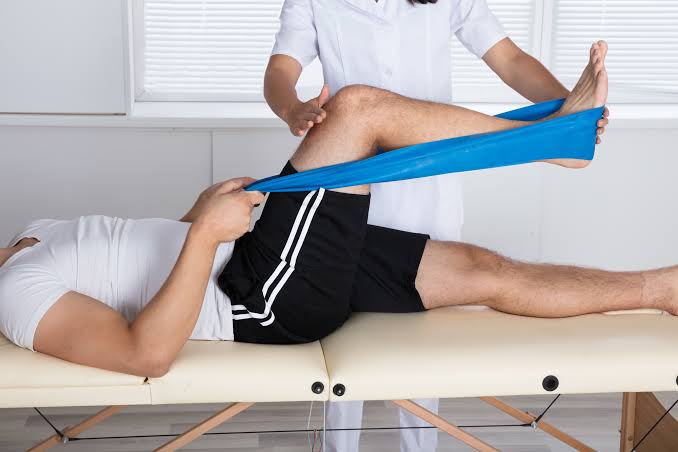
Morning heel pain has a distinctive way of getting attention. The first few steps out of bed may feel sharp or tender, then the discomfort may ease once the foot warms up and movement becomes easier. That pattern can tempt people to brush it off, especially when the rest of the morning feels manageable. Still, recurring symptoms deserve notice. For someone considering heel and foot pain therapy, the timing of the discomfort can provide useful clues about what may be irritated, overloaded, or not moving as efficiently as it should. Paying attention to when the pain appears is often the first step toward understanding whether home care is enough or a professional assessment makes more sense.

Pain that is strongest after rest is commonly associated with irritation around the heel and the tissues that support the arch, but it should not be self-diagnosed from one symptom alone. The location matters, as does the type of sensation. A stabbing feeling under the heel, tenderness along the arch, or soreness near the back of the heel can point toward different possibilities. Shoes, recent changes in exercise, time spent standing, and previous foot problems can also influence what is happening. A professional evaluation brings those details together instead of relying on guesswork, which is especially helpful when the same morning pattern keeps returning week after week.

Heel And Foot Pain Therapy

All-day foot pain tells a somewhat different story. Discomfort that builds through a shift at work, gets worse during errands, or lingers after exercise may reflect repeated loading, poor support, joint irritation, or another issue that becomes more noticeable with use. Some people begin shortening their stride, favoring one foot, or avoiding longer walks without realizing how much their routine has changed. Those adjustments can make the problem harder to ignore and may create strain elsewhere. Tracking when symptoms become strongest, what shoes were worn, and which activities triggered them can give a clinician valuable information during an assessment.

There are also moments when waiting is not the best choice. Foot pain that is severe, follows a significant injury, comes with obvious swelling, redness, warmth, numbness, weakness, or an inability to bear weight should be evaluated promptly. Pain that steadily worsens or does not improve after a reasonable period of rest and basic self-care also deserves attention. For less urgent concerns, a healthcare professional can examine movement, foot structure, footwear, and areas of tenderness to help determine the next step. Depending on the cause, treatment may involve activity changes, stretching, supportive footwear, orthotics, rehabilitation, or another appropriate approach.

The biggest difference between occasional soreness and a problem worth checking is often repetition. A heel that hurts every morning, feet that ache by midday, or discomfort that starts changing work, exercise, or social plans should not simply become the new normal. An assessment can help clarify whether the symptoms are connected to soft tissue irritation, biomechanics, footwear, overuse, or something else entirely. For people exploring heel and foot pain therapy, getting checked before movement becomes more limited can lead to a more targeted plan and fewer guesses. The goal is simple, understand the pattern, identify what is driving it, and choose support that fits the way the feet are actually being used.

…