
Transforming Challenging Spaces: How Virtual Staging Can Change Your Perspective
When it comes to real estate, small or awkwardly shaped rooms can often create a visual and emotional barrier for potential buyers or tenants. You might feel the pressure to make these spaces seem larger, more inviting, and functional. This is where Virtual Home Staging comes into play, offering a clever and innovative solution that allows you to showcase your space in the best possible light without the need for physical alterations. Imagine being able to present a cozy nook that feels both spacious and functional, simply by reimagining how it looks in a digital format.
Virtual staging uses advanced technology to create digital renderings of furniture and decor, allowing you to visualize how a room can be transformed. This technique can help you highlight the positive aspects of a small room while minimizing its limitations. For instance, a cramped bedroom can be depicted with a carefully chosen layout that showcases a bed, nightstands, and artistic accents, making it feel more like a serene retreat than a tight squeeze. This not only enhances the appeal of the space but also helps potential buyers or renters see its potential, rather than just its limitations. With Virtual Home Staging, sellers can showcase different design possibilities without renting physical furniture.
One of the first steps to successful virtual staging is understanding the unique attributes and challenges of the room you’re working with. Take a good look at the space and assess its dimensions and layout. Does it have awkward angles or an odd flow? Is it cluttered with furniture that doesn’t serve a purpose? Identifying these elements will help you determine how to best stage it virtually. For instance, if you have a small living room that feels cramped due to oversized furniture, virtual staging can help you visualize a more suitable arrangement. By digitally placing smaller, more streamlined furniture, you can create a sense of openness that invites potential buyers to envision themselves in the space.
You also want to consider the color palette and lighting of the room. A well-lit space with bright, neutral colors can feel more expansive. Virtual staging allows you to enhance these qualities digitally, opting for lighter furniture or decor that complements the room’s natural light. By adjusting the hues and tones in the digital rendering, you can create an inviting atmosphere that makes the space feel warm and welcoming. This attention to detail not only enhances the visual appeal but can also evoke a sense of comfort and ease for anyone viewing the property.
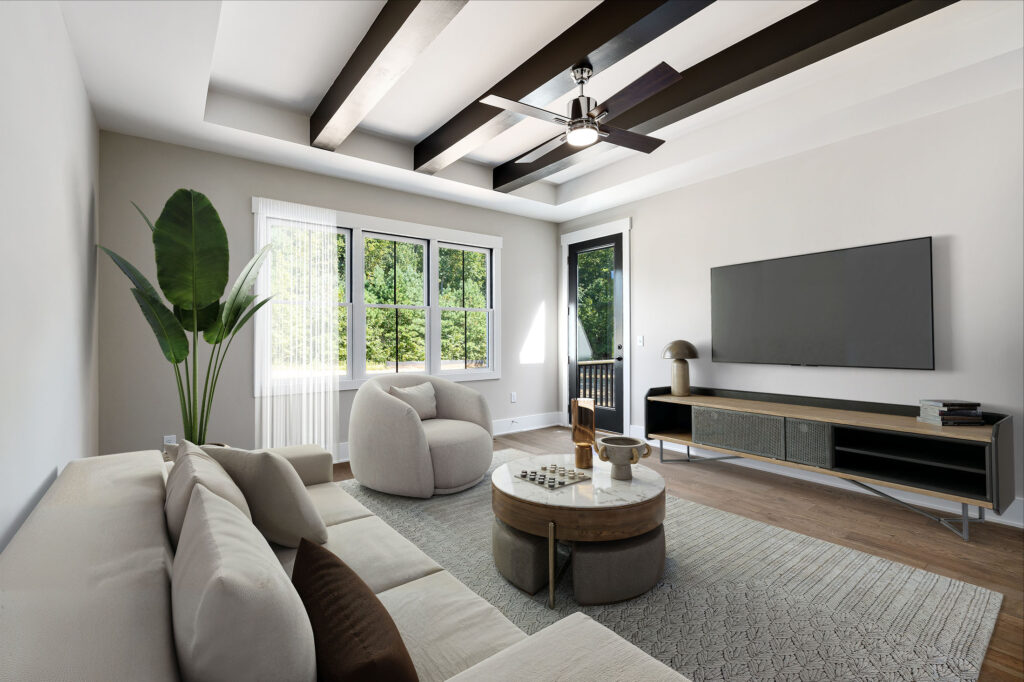
Another advantage of virtual staging is its ability to tailor the space to the target audience. If you’re trying to attract young professionals, consider staging a small office nook with contemporary furniture and a stylish desk setup. For families, a cozy reading corner with a soft chair and playful decor may help prospective buyers or renters visualize a homey environment. This tailored approach makes the virtual staging not just about the room itself, but about the lifestyle that comes with it. By aligning your staging with the ideal demographic, you increase the chances of connecting with potential buyers on an emotional level.
It’s also important to communicate any unique features of the room through virtual staging. If there’s a charming fireplace or an interesting architectural detail, make sure these elements are highlighted in your digital staging. You can do this by arranging furniture to draw attention to these features or by using decor that complements them. For example, in a small room with a fireplace, consider staging it with a couple of comfortable chairs angled toward the fire, creating a cozy gathering spot. This doesn’t just show off the fireplace; it also demonstrates how the space can be used in a practical, inviting way.
When it comes time to showcase your virtual staging, use high-quality images that accurately represent the changes made. Clear, professional-looking visuals can make all the difference in how potential buyers perceive the space. Provide a comparison between the original state of the room and the digitally staged version to effectively illustrate the transformation. This allows viewers to appreciate the potential of the space, while also understanding that it can be more than just a small, awkward room.
Moreover, virtual staging is not just beneficial for selling properties; it can also be a game changer for rentals. Landlords and property managers can use virtual staging to attract tenants by showcasing how a small apartment can feel like a home. By presenting a space that feels lived-in and inviting, you can significantly increase interest and reduce vacancy times. Highlighting the functionality of a small kitchen or the charm of a compact living space can make all the difference in attracting the right tenants.
As you embark on virtual staging, remember that the goal is to present a vision of what the space can become. It’s about creating possibilities and sparking imagination. You want potential buyers or renters to see not just what is, but what could be. This is particularly important in small or awkwardly shaped rooms, where the limitations can overshadow the potential if not carefully addressed.
In conclusion, virtual staging is a powerful tool that can change the perception of small or awkward rooms, transforming them into spaces that feel more functional and inviting. By using this innovative technique, you can highlight the best aspects of your property, engage potential buyers or renters, and ultimately encourage them to envision their lives within those spaces. As you explore the possibilities that virtual staging offers, remember that every room has its own story to tell, and it’s your job to help it shine. With the right approach, even the most challenging spaces can become attractive, desirable homes.
…